A study conducted by Frost and Sullivan projects that the global construction output will reach up to $17.5 trillion by 2030. Segments such as residential, commercial, and infrastructure construction lead the most of this market.
As the industry expands, and a wide range of contractors jump in, the need to distinguish between the types of construction becomes ever important, especially for budgeting, coordination, and construction management.
Construction projects are often categorized according to their scope, scale of the project, the type of structures planned, and the purpose for the end use. The construction projects are most commonly divided into 7 main categories, namely residential, commercial, industrial, infrastructure, mixed-use projects, and special institution construction.
Understanding the different aspects of these construction projects helps you plan them better, allocate resources, and keep up with the latest zoning codes and regulations. This is what we are here for. This guide categorizes the different types of construction projects and explores the importance of several aspects, like takeoff templates, construction information systems, and more, for simplified construction planning and seamless growth.
Classification of construction types
Depending on the unique scope, planning, cost, equipment, and other requirements, construction projects can be divided into different types. Contractors, developers, and engineers prefer to specialize in a particular niche to enhance their expertise, specifically for those projects. Here is a list of different types of construction projects a contractor or a construction firm may choose to work on.
1. Residential Construction
These are the projects built for living purposes and encompass 48.1% of global construction output. Residential projects are a broader term that can be further divided into single-family or multi-family residential houses. It further encompasses apartments, townhouses, villas, and more. The construction of such a project focuses on comfort, space planning, and appeal.
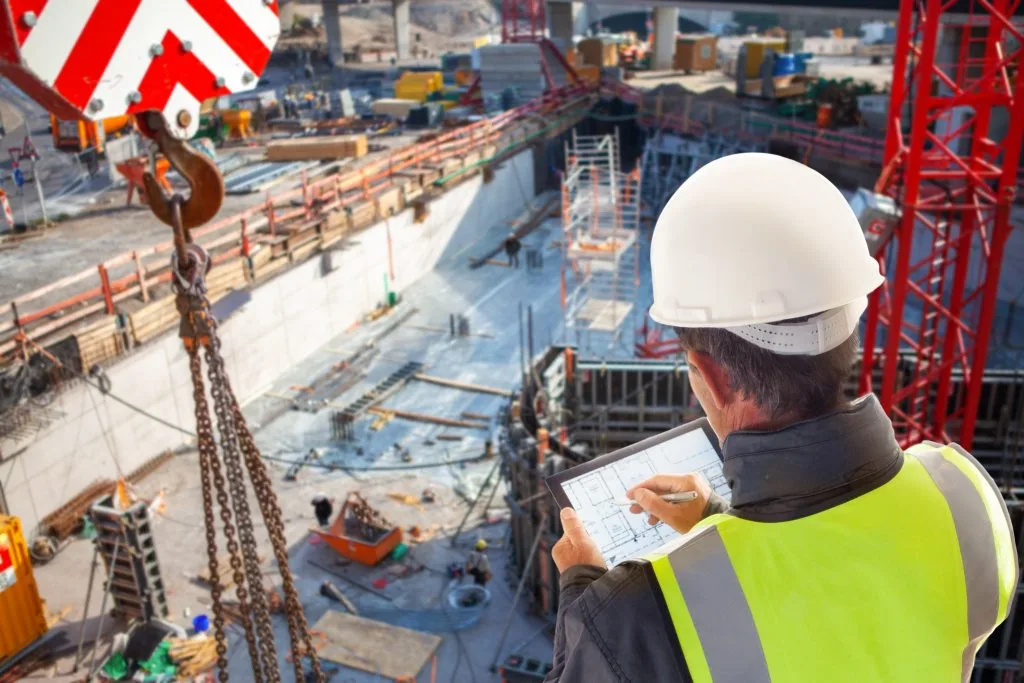
Even if the residential construction projects fall under the same category as the larger construction projects, they may offer a much wider scope, budget, and materials than the smaller ones. For example, residential towers, or condominiums, can be more closely attributed to commercial projects since their scope is similar.
2. Commercial Construction
The commercial construction projects are much complex in scope, requirements, and equipment as compared to residential projects. They include the construction of retail, offices, shopping centers, restaurants, hotels, and other construction facilities, which may be used for commercial purposes.
Moreover, the commercial projects bring greater structural and building needs. For example, it requires the projects to be energy efficient, secure, sustainable, and built upon an accessible location for the public. These factors are also influenced by the different commercial standards and regulations governing a particular area and highly affect the price tags of the construction project.
3. Industrial Construction
Industrial construction is a construction initiative for developing facilities for processing, manufacturing, production, and industrial needs. There are typically large-scale, high-technical, and complex, that require immense machinery and adherence to several construction standards.
Moreover, construction projects require the best quality material, since they put a greater emphasis on durability and safety of the construction project. Examples of industrial projects include factories, energy plants, warehouses, oil refineries, food processing plants, and more.
4. Mixed Use Projects
Mixed-use projects encompass a mix of residential and commercial projects on multiple sites to build an effective community. These smaller construction projects are located near each other to create more connected and efficient living spaces.
Mixed-use projects also include the construction of several amenities and recreational facilities to create a sustainable, convenient, and eco-friendly environment for the people. The mixed-use construction projects can be divided into horizontal mixed-use projects and vertical mixed-use projects.
(a) Horizontal Mixed Use Projects
Horizontal mixed-use projects use multiple for for different types of construction in a community. Each building in a horizontal mixed-use project serves a specific purpose. These residential communities are often built in suburban areas, where the cost of the land is relatively low.
(b) Vertical Mixed Use Projects
These projects include the residential apartments and other recreational facilities under a single tower. For example, it may have residences on the first floor, offices on the second floor, or a retail facility on the third floor.
5. Specialized or Institutional Construction
Specialized and institutional projects are constructions that aim to serve the public. These are government-funded or non-profit projects with customized design made to serve specific audiences like patients, students, inmates, and more.
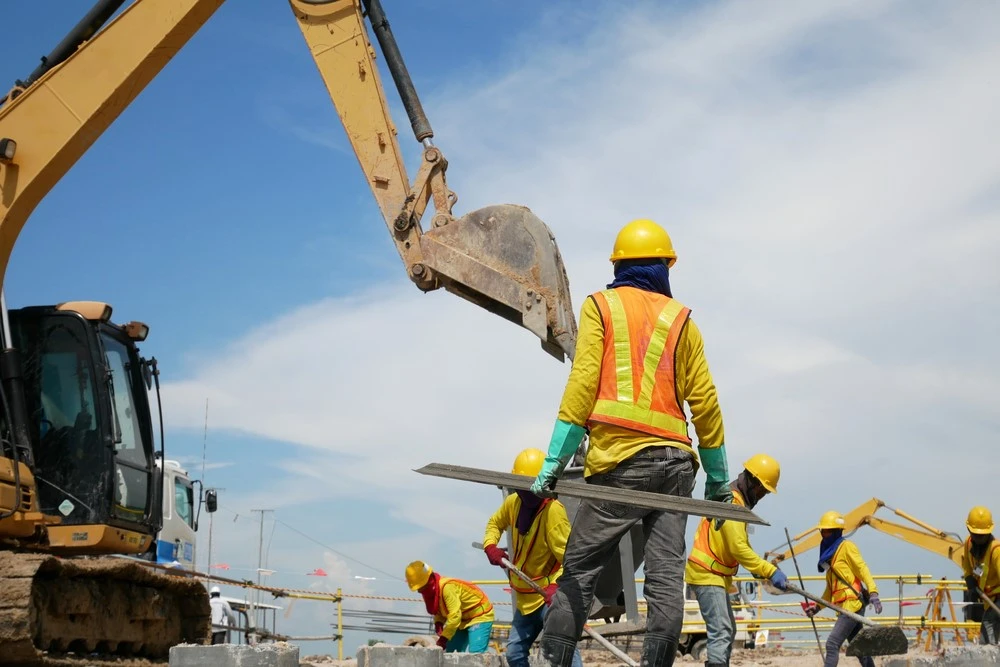
These public facility construction projects include hospitals, educational institutions, religious structures, police stations, embassies, military bases, museums, libraries, and government offices. The projects require high accuracy and expertise to maintain architectural, engineering, and operational standards for changing needs of the public.
6. Vast Civil and Infrastructure Construction Projects
These projects are wide-scale construction projects that involve such systems and structures that a city needs for the better functioning of the society and the economy. Infrastructure and civil projects are usually publicly funded and are built through a private partnership. They are highly costly and require long-term preconstruction planning.
Industrial projects include the construction of tunnels, bridges, railways, sewage systems, drainage systems, dams, communication networks, and more. These projects take longer to build than expected and are often called “horizontal construction projects”.
Important Tips for Successful Construction Projects
Most of the contractors, engineers, and construction firms are not aware of certain construction methodologies that can significantly speed up your construction project and prevent construction delays. This involves being ahead with the latest construction technology to speed up your estimation, quantity takeoff, project drawings, and other construction tasks. Here are a few tips that can significantly affect your construction project execution.
1. Smart Planning that Builds Stronger Projects
Construction planning is the cornerstone of construction project execution; without it, even the most accurately designed project may fall to uncertainties and delays. Adequate pre-construction planning involves understanding the budget, scope of the project, estimating resources, scheduling the entire project, and defining a realistic deadline for each construction task.
Moreover, quality planning results in effective coordination among the architects, contractors, stakeholders, and the other construction crew. Not just that! An effective construction plan will ensure analyzing the logistics, weather conditions, site conditions, compliance needs, and permitting needs for quality construction execution.
With proper risk management, contingency plans, and understanding the common vulnerabilities leading to construction errors, contractors can reduce discrepancies, prevent cost overruns, and ensure timely construction completion.
2. Master Architecture Principles for Flawless Execution
Architecture principles aren’t just aesthetic ideals; they are the core tool that considerably reduces project inefficiencies. Principles of architecture are certain standards set by the construction industry that ensure the structure is effectively balanced, proportioned, and functional.
About 60% of construction firms affirm that effective architectural principles and planning have enhanced their project value, bringing long-term asset value for project owners. Principles of architecture make the structure resilient and seamlessly functional. Whether it is a hospital requiring spatial flow or a school designed in a way to improve interactive learning, architectural principles like form, function, balance, proportion, and rhythm, architectural principles ensure that the structural harmony is preserved and consistency is maintained for every scale building project.
3. Utilize the Power of CIS in Modern Construction
The construction information system has greatly changed the way construction is carried out. A construction information system is a group of tools that streamlines all the processes of construction.
Whether it’s planning, budgeting, estimating, material takeoff, construction drawings, scheduling, documentation, or other construction-related tasks, a Construction Information Systems (CIS) has made it seamless for construction companies, and this is exactly what you need to evolve with.
About 82% of all companies have adopted these systems or are eager to invest to enhance their expertise, enhance project speed, and achieve budget control with their construction project. Investing a Construction information systems brings tools like Builder Trends, Procore, Autodesk, Plangrid, etc avoids you juggling through countless email chains, blueprints, and previous construction data, and brings real-time insights for quality project success.
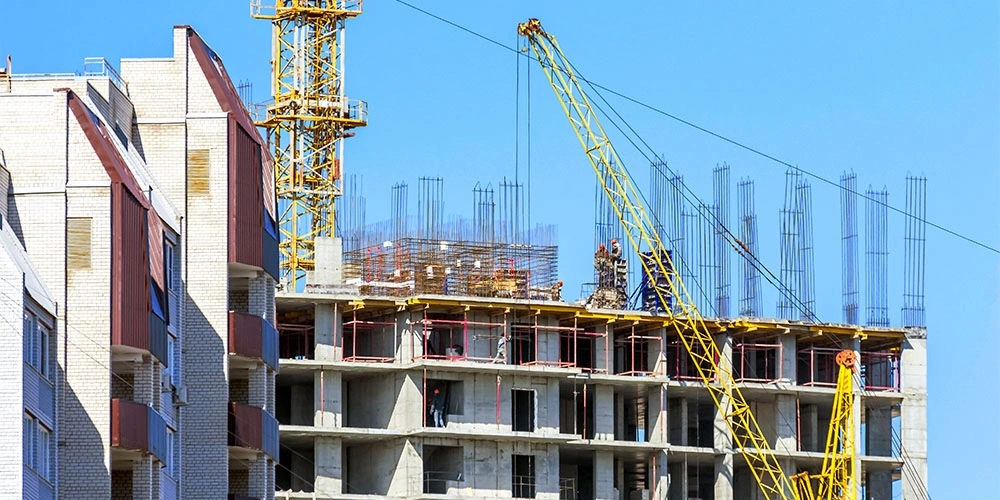
4. Explore the Right Construction Template
Construction templates are existing design structures that can be easily replicated depending on the type of project. Further alterations can be made to the design to achieve the intended outcomes. A construction template removes any type of guesswork from the project associated with the new builds.
Analyzing these similar historical documents plays a crucial role. Cutting the build time by 30-50% and reducing the overall cost by 20%, these templates provide a standardized design that is compliant and optimized according to the material usage. Using such template construction options provides you with accurate documentation of the project, streamlining construction workflows, and enhancing decision making with the construction project..
5. Construction Takeoff Template for Accurate Estimates
Precision is the life of successful project execution, and using takeoff templates is exactly what complements that. A material take-off template is a standardized document of a particular project that defines the material quality, quantity, and labor requirements. It assists contractors to estimate construction costs, prepare accurate bids, and make an effective project forecast.
Using a takeoff template and analyzing several previous similar construction projects, contractors can significantly improve the accuracy of estimations. In fact, recent studies show that construction companies using takeoff templates have experienced an 80% higher accuracy in their bid preparation.
The takeoff templates do not just stop there, they also help bring consistency among different projects. Whether a drywall takeoff or calculating material for steel installation, takeoff ensures that no aspect of a construction project is left, avoiding any material wastage or shortage during the on-site construction.
6. Showcase Your Portfolio on the Web
As almost every consumer searches online for local businesses. This has been proven revolutionary in the construction industry, too. While having a website is crucial, the construction company web design plays a crucial role in converting leads.
For a construction firm, their website is its storefront, imposing the first impression on customers as they reach your website. That is why your website design should be top-notch, as it influences 75% of consumers while considering the credibility of a business.
Your website design and theme should be according to the construction industry. It should have an interactive UI/UX. With smooth navigation, your customers should easily get to the service they are looking for. Moreover, your website should feature all your construction projects portfolio categorized by construction type and efficiently organized call to actions. This will help to not only build credibility and trust among leads but also convert them into valuable customers.
7. Adapt to the Updating Construction Technology
The future of construction is ever evolving. Contractors need to adapt to the changing technology, make use of advanced digital templates, and embrace the latest tools to always dominate their competitors.
With the growing number of construction project demands, clients are always asking for energy-efficient structures, tech-integrated solutions, and faster project delivery. This can only be possible by adopting the latest tools like BIM Modeling, Sage Estimating, Planswift, CAD Drafter, and using methodologies that significantly reduce the construction timeline.
Additionally, scaling becomes achievable when you blend the use of technology and modular construction methods, like using prefabricated or template-based construction methods. Contractors who adapt to these innovations are the ones leading this competitive industry and will thrive with quality project delivery.
Conclusion
construction types differ due to several reasons and the challenges they bring along. This includes project output, permitting requirements, design specifications, building codes, equipment, and machinery required, broadly impacting the different construction types.
Whether residential, commercial, industrial, or mixed-use projects, contractors always need to adapt with the updating construction technology to deal with the growing complexities of a project and ensure that it is efficiently and flawlessly executed. Using several construction project management and documentation tools and templates can help significantly achieve the required construction outcomes.
Frequently Asked Questions
How do construction types differ in terms of design and execution?
In terms of design and execution, construction projects include 6 different types. It involves residential, commercial, industrial, infrastructure, mixed-use, and institutional projects. These projects also have different scopes, material usage, aesthetics, comfort, and end use.
Why is it important to categorize a project by construction type?
Dividing the construction projects into different categories helps the project owners in hiring the correct estimators with tailored expertise, accurately estimate construction cost, and maintain specific build code standards with construction.
What are some popular CIS tools used by contractors?
Some of the popular Construction Information System (CIS) tools used by the contractors are Procore, Buildertrend, Autodesk Construction Cloud, AutoCAD, BuildXact, Revit, and more.
What is template-based construction?
Template-based construction involves using historical construction documents that define the design layout, estimates, material takeoff, and more. Construction projects with similar scope and end-use can make use of such templates and speed up their construction execution with relevant alterations.
Why are takeoff templates important in bidding?
Material takeoff construction templates help contractors to make precise measurements, estimate cost and labor, speed up construction bidding, and avoid material wastage during on-site construction.