Steel is considered the backbone of construction. Steel comprises iron and carbon, which is famous due to its tensile strength, durability, and hardness. It is a building material that is commonly utilized in construction works.
Around 50% of the materials are used by building and infrastructure, consuming steel production around the globe. On average, 80-90 percent of your machinery, equipment, and tools are manufactured of steel. It is safe to say, however, that steel is highly significant to your construction projects. Steel is one of the most essential materials that are applied in skyscrapers and other giant industrial plants.
Did you know that more than 1.6 billion tons of steel are used in the construction industry every year? Construction projects are done using a variety of steel. All types of steel are employed for different purposes and possess some features. Carbon steel, alloy steel, stainless steel, and tool steel are the major types of steel. In this blog, we’ll discuss all the types of steel along with their advantages in detail.
Types Of Steel Used for Construction
Carbon Steel:
Also known as non-alloy steel, it is a type of steel composed of different compounds such as silicon, carbon, sulfur, manganese, and phosphorus impurities. It is primarily defined by the amount of carbon content present; usually, 0.05% to 2.0% carbon is used to make it. The strength, elasticity, and durability can also be found by understanding the carbon present in the alloy. The more carbon content is present, the stronger it will be.
For which projects it is used: As it is very resistant against heat, fire, scaling, corrosion, etc, it is preferred for multiple construction projects. Carbon steel is used for various purposes such as building frameworks, beams, columns, reinforcement bars, pipelines, bridges, pressure vessels, tools, etc.
Strength (psi): Its average yield strength ranges from 39,900 to 48,400 psi.
- Low-carbon steel: 30,000-45,000 psi
- Medium-carbon steel: 50,000-65,000 psi
- High-carbon steel: 87,000-102,000 psi
Types Of Carbon Steel:
- Low carbon: In this, there is a content of carbon of approximately 0.05 to 0.15%.
- Medium carbon: In medium-carbon steel, the carbon concentration may be up to approximately 0.3 percent to 0.5 percent.
- High carbon: When the concentration of carbon in the steel is 0.6% to 2.0% it reaches the capacity to be high-carbon.
Pros & Cons:
- It also has very low sensitivity to wear, high temperature, and shock, which makes it have a low maintenance requirement.
- It is competitive in tensile strength and is strong and durable. It is also totally recyclable and therefore an environmentally friendly product.
- The treatment of carbon steel is simple, and it is known as heat treatment, which makes the steel tough.
- High carbon steel is difficult to work with because it is hard, which causes problems when machining objects, as you cannot bend or wield it easily.
- It is also susceptible to rust and corrosion than other steels. Hence, they cannot be used in end-use applications.
Mild steel:
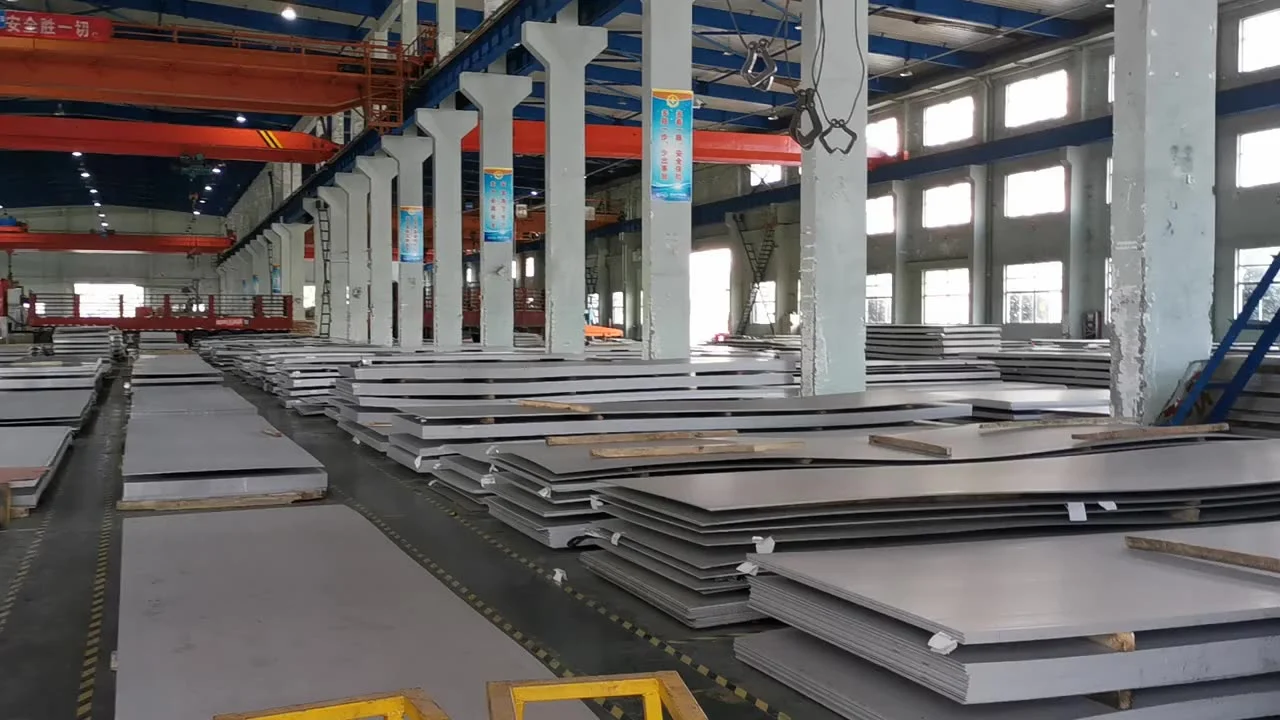
Mild Steel is a kind of Carbon steel, which is also referred to in many other terms like MS, plain/low-carbon steel. As we have seen above, low-carbon steel has a very low level of carbon content, which is in the range of 0.05 percent to 0.15 percent. It is also the strongest type of steel in the market as it is known to balance between strength, durability, and long-lasting capabilities.
For which projects it is used: One of the primary reasons it is applied in construction projects is because of its strength. It is popularly applied in construction projects, primarily in frameworks, pipelines, bridges, cars, machinery, furnishing, and general fabrication works.
Strength (psi): Mild steel can normally have a tensile range of 58-80,000 psi and a yield strength of 36-60,000 psi.
Pros & Cons:
- It is quite flexible, elastic, and malleable. So that it may be easily welded, shaped, bent, and machined without cracking or breaking.
- As it has fewer carbon materials, it is less expensive than other types of carbon steel and can be utilized in construction and industrial activities.
- Despite the fact that it can bend without cracking or breaking, it can bend and break under heavy load; hence, it cannot be used in the case of your beams, columns, and pressure vessels.
Rebar Steel:
Also known as fortifying or reinforcement steel. It is a crucial strain or tension device in a concrete or masonry structure, which is added to reinforce it. Rebar steel is characterized by its tensile strength and stress-absorbing characteristics. This helps prevent any cracks or structural failure.
In 2024, the market of steel rebar was valued at $152.6 billion globally. By 2034, it is expected to increase to $233 billion. As they help hold the structure even under heavy load, they are suitable for reinforcing concrete, masonry, etc structures. Rebar steel is also used for raft foundations.
For which projects it is used: Reinforced concrete construction also uses rebar steel. As such, rebar steel would be the most appropriate reinforcement steel in case you are planning to strengthen your structures, buildings, bridges, foundations, tunnels, highways, dams, and retaining walls.
Strength (psi): There are two major grades of the rebar steel, which are grade 40 and grade 60. It is also the upper and lower yield strength, which is 40,000 to 60,000 psi.
Types Of Rebar Steel:
- Plain steel wire: Used for light reinforcement in slabs, pavements, and precast structures.
- Epoxy-coated steel bars: It is a standard rebar steel coated with epoxy. This helps with moisture and corrosion resistance.
- Plain Bars and Rail Steel Deformed Bars: Plain bars are those with a smooth, round surface for applications requiring minimum tension. Whereas deformed bars have lugs, holes, or ribs running through their length, it is the best in terms of structural reinforcement.
- TMT steel bars: The thermo-mechanical treated bars have a hard surface on their exterior, and their interiors contain soft material that renders the structures resistant to the eventual creation of natural calamities like earthquakes.
- Stainless Steel: It is highly resistant to corrosion and, hence, it is very handy in highly moist climates, in coastal and chemical conditions.
- Low-alloy steel: It is primarily applied in those buildings that are likely to be influenced by seismic activity since it assists in providing strength and ductility. Rebar steel is low-carbon steel commonly known as rebar.
- Low-carbon steel bars: Rebar steel is known as reinforcing steel made of carbon steel. It is suitable for light construction where strength isn’t that much required.
Pros & Cons:
- It assists in increasing the strength, life span, and durability of a building and infrastructure. In addition, they come in various grades in order to consider the diverse environments.
- By using rebar steel, there is a possibility of reducing cases of cracking, structural distortion, or load failures.
- The ribbed texture assists in offering enhanced gripping and adhesion to concrete buildings.
- Reinforcement increases the project’s overall cost, but it helps reduce maintenance efforts.
- It has steel expansion properties, so sometimes, under heat, it can cause internal stress.
Light Gauge Steel:
This kind of steel is produced out of thin layers of cold-shaped galvanized steel. This galvanization assists in raising corrosion resistance. It is reputed to be strong and can aid in quicker building time, reduced expenses, and adaptable planning measures. They are easy to carry around, unlike other building materials such as wood, and it is hence relatively easy to transport and use.
For which projects it is used: Light gauge steel is used in framing, studs, and joists. Primarily, when you are dealing with roof systems, floor decks, or prefabricated wall panels. It is primarily applied in interior and exterior wall framing, roof, floor system, and modular construction because of its strength-to-weight ratio, durability, and sustainability.
Strength (psi): The typical yield stress for light gauge ranges from about 33,000 psi to 80,000 psi.
Pros & Cons:
- Light-gauge steel is not very heavy and is relatively lighter than structural steel or concrete, but with good strength. This helps with transportation, assembling, and management.
- It doesn’t wrap, twist, shrink, or expand with temperature or moisture changes, making it a suitable option if you want structural accuracy.
- It is an environmentally friendly choice, as well as compared to other types of projects, it also saves time by approximately 25-30% besides being 100% recyclable.
- Despite all those benefits, it remains expensive to install initially, and specialized labor and equipment will be required to install it.
- Proper insulation is needed; otherwise, rapid absorption and conduction of heat by steel can increase the temperature drastically.
Alloy Steel:
It is another type of steel. Alloy steel is produced by a combination of a blend between Iron and carbon steel and alloying elements in different proportions. These are manganese, nickel, chromium, molybdenum, vanadium, and silicon.
This mixture will allow the steel to be stronger, harder, wear-resistant, and corrosion-resistant. It is considered one of the cheapest steel alternatives that also offers better temperature resistance, hardenability, and reduced grain growth.
For which projects it is used: Alloy steel is mainly used for construction projects where high strength and resistance are vastly required. Such projects may include bridges, skyscrapers, oil pipelines, automotive parts, pressure vessels, and components for heavy machinery.
Strength (psi): The yield strength of alloy steel can lie between 36,000 to 86,000 psi. So, if you are extra strong, you can go along with alloy steel.
Types Of Alloy Steel:
- Low-Alloy Steel: When compared to high-alloy steel, its content of alloying metals, e.g, chromium and nickel or molybdenum, is low. It has less than 0.2%. It is good for applications such as studying outlets, rolling ring forgings, pressure vessels, etc.
- High-Alloy Steel: Compared to low-alloy steel, it has more than 5-8% of alloy elements present. High-level alloy steel is designed to hold chemicals, pharmaceutical equipment, mining materials, and liquids.
Pros & Cons:
- Compared to carbon or mild steel, alloy steel is far better when it comes to strength and hardness.
- It has a longer service life. It is also highly resistant to corrosion, toughness, oxidation, and requires less long-term maintenance.
- Some alloy steels have amazing thermal hardness and properties that make them heat, corrosion, and wear resistant.
- When you are using steel alloys and the element content is less than 3%. You need to process if you want to give the best performance.
- Welding and bending-related manufacturing can be difficult. So, it would need to go through a certain welding treatment before it can be used.
Stainless Steel:
Studies indicate that the stainless steel market size in the US was approximately 16.59 billion in 2022. One of the most well-known materials that is used in a wide range of applications is stainless steel. From culinary items, medical equipment, to automotive and aerospace components, it is widely used. It is a type of alloy steel, but in this, an additional compound of chromium is added. The chromium content in steel ranges from about 10-18% which is considered a better option compared to lumber materials.
For which projects it is used: It is widely used in various applications like kitchen equipment, medical instruments, chemical processing plants, architectural structures, food processing equipment, and marine environments.
Strength (psi): A 304 stainless steel has a yield strength of around 29,732 psi and a tensile strength of around 74,694 psi.
Pros & Cons:
- It is highly immune to corrosion, rust, oxidation, and chemical damage. Stainless steel is also superior to others, even under humid or acidic conditions.
- It is not easily deformed, bent, or weakened under thermal stress or high temperatures. In addition, it can also be 100 percent recycled, and hence, waste is minimized.
- It has a non-porous surface that cannot be penetrated by bacteria and germs, hence making it one of the best to be used in the kitchen, food preparation, and medical use, among others.
- Stainless steel, in contrast to carbon or mild steel, is more costly. This is due to the alloying elements, i.e., chromium and nickel, that are used.
- Smudges, fingerprints, and scratches are yet to be seen in case the surface is polished. And, not only that, it is hard, so it might be hard to cut, weld, and machine as well.
Structural Steel:
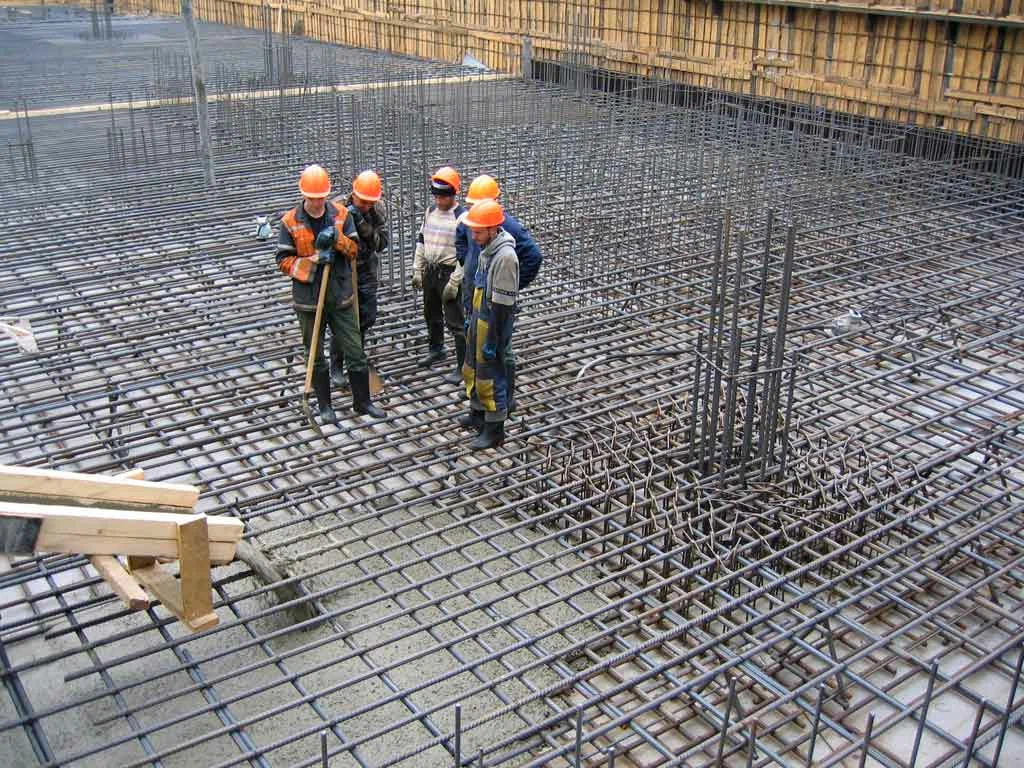
A study by AZoM shows that the structural steel contains about 47% of recycled materials. Raw materials are used for the remaining. Structural steel is a type of steel that in the construction industry is used for structural steel shapes. It is manufactured and designed to bear heavy loads in construction. The manufacturing process includes using iron and carbon, with small amounts of manganese, phosphorus, sulfur, and silicon.
For which projects it is used: The Hot rolling process is applied to structural steel, giving it a shape of regular sections such as I-beams, H-beams, channels, and angles. It is very ductile, powerful, and durable, and therefore would be a good option in case you are constructing high-rise buildings, bridges, stadiums, or any other project that entails the storage of weight.
Strength (psi): Tensile strength of structural steel may vary from 36,000 to 50,000 psi. It can also reach 58,000 to 70,000 psi.
Types Of Structural Steel
- Carbon Structural Steel: This is a type of structural steel that contains carbon. It is a common one of steel used in construction.
- High-Strength Low-Alloy (HSLA) Steel: This is a kind of structural steel that has alloy elements that assist in strengthening and toughness.
- Quenched/Tempered Alloy Steel: This is a process of quenching and tempering steel that involves making use of steel and other alloys that are based on iron. This is followed by a two-stage heat treatment process, rapid cooling, and re-heating to increase strength, toughness, and wear resistance.
Pros & Cons:
- It has a very strong weight-to-ratio. The steel sections are small and lightweight, even when working on a large structure.
- The steel can be very easily fabricated. Since the steel can be manufactured elsewhere and can be installed elsewhere, it conserves time and guarantees efficiency during the construction.
- It is highly flexible. And in case you wish to bend or mould it into some other shape, without changing its properties, you may find it much easier to do so by shaping it into sheets and wires, according to your wishes as to the manner of designing it.
- It is very strong and it is not hard to resist natural disasters like earthquakes, thunderstorms, and cyclones.
- Steel, on the other hand, being an alloy of iron, exhibits higher corrosion. The problems can be avoided, however, by means of anti-corrosion uses and maintenance.
Benefits of Using Steel in Construction
Do you know that a well-built steel structure can last up to 50-100 years if well-maintained? The material you are using is one of the major factors that affect the sustainability, longevity, stability, and success of a project in the construction industry.
Multiple materials are used for construction, such as lumber, steel, concrete, masonry, and more, all holding different properties. If you want a structure that is strong, durable, and lasts for a long time? Steel is one of the most effective materials to use. Now, let’s discuss the advantages of steel in construction.
Strength & Load-Bearing Capacity:
One of the biggest benefits of steel is its strength and durability. It is highly durable and is able to withstand various weather conditions, earthquakes, fires, and many other natural disasters. It is considered a good option when you are working on large-scale projects such as skyscrapers, bridges, or any other precast concrete structures.
Steel also has a very high load-bearing capacity. As it has more tensile strength, its load-bearing capacity is more than other materials like wood or concrete.
Long-Lasting Ability:
Steel can also last for a very long time, up to 50 to 100 years. Do you know that structures made from corrosion-resistant steel can last for decades and even centuries? As steel is high in hardness, which helps it becomes more resistant to strain. Some types of steel are also resistant to wear, tear, moisture damage, and rusting.
Cost-Effective Solution:
Steel in construction allows faster construction time, lower labor costs, and reduced foundation requirements. Steel is a type of material that is not highly available in some regions, which can increase initial cost, such as travel, delivery, etc. However, types of steel like structural steel are a very economical choice. This is because its off-site fabrication process increases construction process efficiency, saving your time and money.
Eco-Friendly:
Steel is not only easy to work with but is also an eco-friendly option. For example, metal frame buildings typically have a very low carbon footprint. Compared to other materials like wood or concrete, it uses less energy. For example, if you use structural steel in your buildings, it can provide a long-lasting and pest-free environment.
Study shows that steel is 100% recyclamakingmakin git one of the most recycled materials on earth. According to the American Institute of Steel Construction, about 98% of all structural steel is actively recovered, reused, and recycled.
Conclusion
In conclusion, we have now discussed all the major types of steel used in construction, along with their types and benefits in detail. We discussed the benefits of using steel and the advantages each type has to offer.
The best type of steel depends upon your project’s nature, requirements, and complexity. Steel is one of the most widely used materials in the construction industry, without which many of our modern applications wouldn’t exist. Through our blog, you can understand what type of steel is best suited for your project.
FAQs
Which type of steel is most commonly used in construction projects?
It depends upon various factors such as project requirements, complexity, and needs. However, mild, structural, stainless, rebar, and alloy steel are some of the most commonly used types of steel in construction.
How does stainless steel have the most benefits, and why is it most preferred?
Stainless steel is one of the most commonly used types of steel in the construction industry. Whether you are looking at medical, kitchen, tools, or any other type of equipment, stainless steel is the most common material in modern applications. That is because of its outstanding corrosion resistance, low maintenance, durability, and longevity. It is also safe and eco-friendly as it can be recycled, making it one of the best options.
How long does structural steel last in buildings?
If a structural steel in a building is well-maintained, it can last for many decades, about 50 to 100 years or more.
Can steel structures be modified later?
Indeed, any steel structure or frame can be expanded or modified. They are mostly modular, so expansion, retrofitting, or redesign can be done without requiring major demolitions.